Emergency Electrical Repairs: What Homeowners Should Do Before Help Arrives
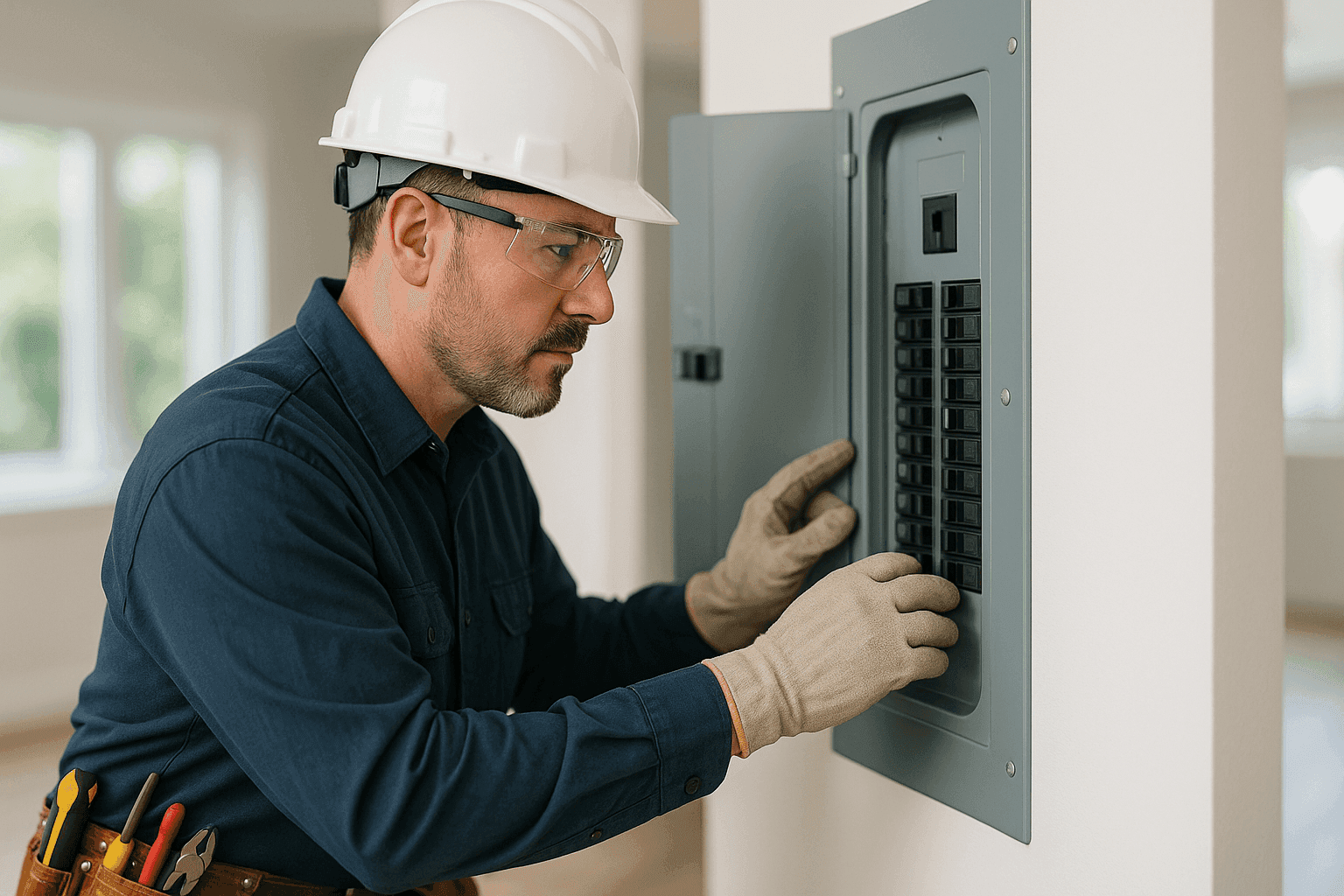
When the power suddenly cuts out or a wall outlet starts sparking, panic can set in fast. Your home is more than just four walls—it's your safe place. At A&E Electrical, we know how overwhelming electrical emergencies can feel, especially after hours or in the middle of a storm.
Every flicker, pop, or burnt smell can mean risk. Knowing what to do in those first moments could make all the difference—before a certified emergency electrician arrives. Let’s walk through what you should (and shouldn’t) do, one step at a time.
Recognizing Electrical Emergencies ⚡
Not every electrical issue is an emergency, but some are urgent and can’t wait. Here’s how to spot the difference:
- Sparking Outlets: If you see sparks, hear popping, or notice burn marks around outlets or switches, that’s a red flag.
- Power Outages: If your entire house loses power but your neighbors still have lights, it’s time to act.
- Burning Smell or Smoke: The scent of burning plastic or visible smoke is a clear sign of danger.
- Repeated Breaker Trips: If a breaker keeps tripping instantly after you reset it, there’s likely a serious wiring issue.
- Electric Shocks: Even mild tingling sensations from outlets or appliances point to wiring trouble.
- Flooded Electrical Panels: Water and electricity are a dangerous mix, especially after heavy rain, flooding, or plumbing leaks.
- Buzzing Sounds: Unusual humming or buzzing from panels, outlets, or appliances can mean overloaded circuits or loose connections.
These emergencies can happen anytime—during a holiday gathering, late at night, or in the middle of a storm. Quick action protects your home and family.
Immediate Safety Steps
Before your emergency electrician arrives, focus on keeping everyone safe. Don’t try to be the hero—think more like a cautious lifeguard.
- Turn Off Power: If safe, switch off the main breaker or affected circuit. This can stop further damage or risk.
- Keep Away from Water: Never touch outlets, panels, or cords in wet areas. Water conducts electricity.
- Unplug Devices: If it’s safe, unplug appliances in the affected area to prevent surges or damage.
- Evacuate If Needed: If you smell smoke, see flames, or suspect a fire, get everyone outside and call 911.
- Don’t Use Extension Cords as a Fix: Temporary cords aren’t a solution for dead outlets or tripped breakers.
- Block Off Danger Zones: Keep children and pets away from the problem area.
- Ventilate if Smoke Is Present: Open windows if it’s safe and there’s light smoke—not heavy, choking fumes.
Above all, never put yourself at risk. Your safety comes first, always.
What Not To Do 🚫
Some instincts can make things worse. Here’s what to avoid:
- Don’t Pour Water on Electrical Fires: Use a fire extinguisher rated for electrical fires (Class C) or call emergency services.
- Don’t Open Panels If Unsure: Exposed wiring can be deadly.
- Don’t Touch Exposed Wires: Even if they look harmless, they may still be live.
- Don’t Try DIY Fixes: Temporary repairs, like taping wires or forcing breakers, can cause bigger hazards.
- Don’t Ignore Warning Signs: Flickering lights or strange smells should never be ignored, even if the system “works” for now.
According to the National Fire Protection Association (NFPA), improper handling of electrical problems is a leading cause of residential fires. Leave repairs to qualified professionals.
When to Call a Pro
Some issues can wait for a scheduled visit. Others need a 24 hour service near you—fast.
Call an emergency electrician right away if you notice:
- Smoke, burning odor, or visible fire
- Outlets or switches that are hot to the touch
- Water around electrical panels
- Breakers that won’t reset
- Widespread power outage not affecting neighbors
- Persistent sparking or buzzing from outlets
When you call, have this info ready:
- Your address and contact details
- What you’ve observed (sounds, smells, visible damage)
- What steps you’ve already taken
- Any affected rooms or devices
Clear, calm communication helps your electrician come prepared.
Common Emergency Scenarios
Electrical emergencies rarely happen at a “good” time. Here are situations we see most often:
Storms
Heavy rain, wind, and lightning can all cause outages, downed lines, or flooding in basements. If your panel gets wet, don’t touch it.
Holiday Overloads
Plugging too many decorations or heaters into one circuit can trip breakers or overheat wiring. Space out appliances and don’t daisy-chain extension cords.
After-Hours Problems
Many emergencies strike late at night or on weekends. That’s why having a 24 hour service near you is so important—delayed action can mean greater risk.
Immediate Actions Checklist ✅
Keep this list handy for those stressful moments:
- [ ] Shut off the main breaker (if safe)
- [ ] Move everyone away from the affected area
- [ ] Unplug nearby devices
- [ ] Don’t use water on any electrical issue
- [ ] Call an emergency electrician
- [ ] If fire or major smoke—call 911, evacuate
DIY Fixes vs. Professional Repairs
It’s tempting to try “quick fixes.” Maybe you’ve watched a few online videos or feel handy with a screwdriver. But electrical systems are like the nervous system of your house—complex and sensitive.
When it’s safe to DIY:
- Replacing a lightbulb
- Resetting a tripped breaker (once)
When to leave it to a professional:
- Any repair involving wiring, outlets, switches, or panels
- Problems after water exposure
- Persistent or repeating issues
Industry standards—like the U.S. National Electrical Code (NEC)—require licensed professionals for most repairs. Certified electricians have the training and tools to diagnose and fix the issue without guesswork or risk.
What Emergency Electricians Do on Arrival
Here’s what happens when A&E Electrical arrives at your door:
- Assessment: We’ll listen to your concerns and inspect the affected area.
- Safety Checks: Testing circuits, checking for live wires, and isolating hazards come first.
- Diagnosis: Using specialized equipment, we trace the root cause—whether it’s faulty wiring, overloaded circuits, or water damage.
- Emergency Repairs: Urgent issues—like sparking outlets or panel problems—are addressed on the spot.
- Follow-Up: We’ll recommend repairs or upgrades to prevent future emergencies, and offer safety tips in line with current codes.
Prevention & Maintenance Tips 🛠️
Most emergencies can be prevented with regular care:
- Schedule Annual Inspections: Certified electricians can catch hidden problems before they become emergencies.
- Don’t Overload Circuits: Spread out big appliances and avoid plugging too many devices into one outlet.
- Install Surge Protection: Whole-home surge protectors shield sensitive electronics from unexpected spikes.
- Upgrade Old Wiring: If your home is decades old, consider rewiring for modern safety standards.
- Test Smoke & CO Detectors: Make sure detectors are working and batteries are fresh.
- Keep Panels Dry: Protect breaker boxes from leaks or flooding with proper sealing and maintenance.
The Electrical Safety Foundation International (ESFI) recommends yearly professional checks for all homes.
Costs & Time Factors
Emergencies are never convenient, and costs can vary. Factors include:
- Time of Day: After-hours calls may involve additional fees.
- Severity: Simple breaker resets are quicker and less costly than rewiring or panel replacement.
- Parts Needed: Replacement of outlets, breakers, or wiring can add to costs.
- Location: Hard-to-reach panels or attic wiring may take extra time.
Emergency repairs usually take from one hour (breaker reset) up to several hours for major issues. We’ll always explain what’s needed before starting repairs.
When It’s an Emergency
So, what counts as an urgent situation? Here’s a quick guide:
Emergency:
- Smoke, fire, or burning smell
- Wet or flooded panels
- Electric shocks
- Persistent sparking or buzzing
- Power out to the whole house (not neighborhood-wide)
Non-Emergency (but still important):
- One or two outlets not working
- Flickering lights (no burning smell or heat)
- Minor appliance issues
If you’re unsure, err on the side of caution. It’s better to call for 24 hour service near you than to risk injury or property damage.
FAQ
Q: Is it dangerous to reset a tripped breaker more than once?
A: Yes. If a breaker keeps tripping, there’s likely a deeper problem. Repeated resets can damage your panel and increase fire risk.
Q: Can I use a fire extinguisher on an electrical fire?
A: Only use a Class C fire extinguisher, rated for electrical fires. Never use water.
Q: My power is out after a storm—what should I do?
A: First, check if neighbors are also affected. If it’s just your home, call an emergency electrician. Stay away from downed wires and wet areas.
Q: How can I prepare for electrical emergencies?
A: Know where your main breaker is, keep emergency numbers handy, and schedule regular safety inspections.
Local & Seasonal Considerations 🌧️
Certain times of year bring extra risks:
- Winter: Extra heaters, holiday lights, and storms can strain your system.
- Spring/Summer: Heavy rains and flooding can affect basements or outdoor panels.
- Holidays: Overloaded circuits are common—don’t plug too many things in one spot.
No matter the season, A&E Electrical is ready with 24 hour service near you when emergencies strike.
Electrical emergencies can shake your peace of mind—but prompt, smart action keeps you and your loved ones safe. Don’t take chances with DIY fixes or wait for problems to vanish.
Call A&E Electrical now — or reach us anytime at 888-873-6160 .