How to Troubleshoot Common Home Electrical Problems Safely
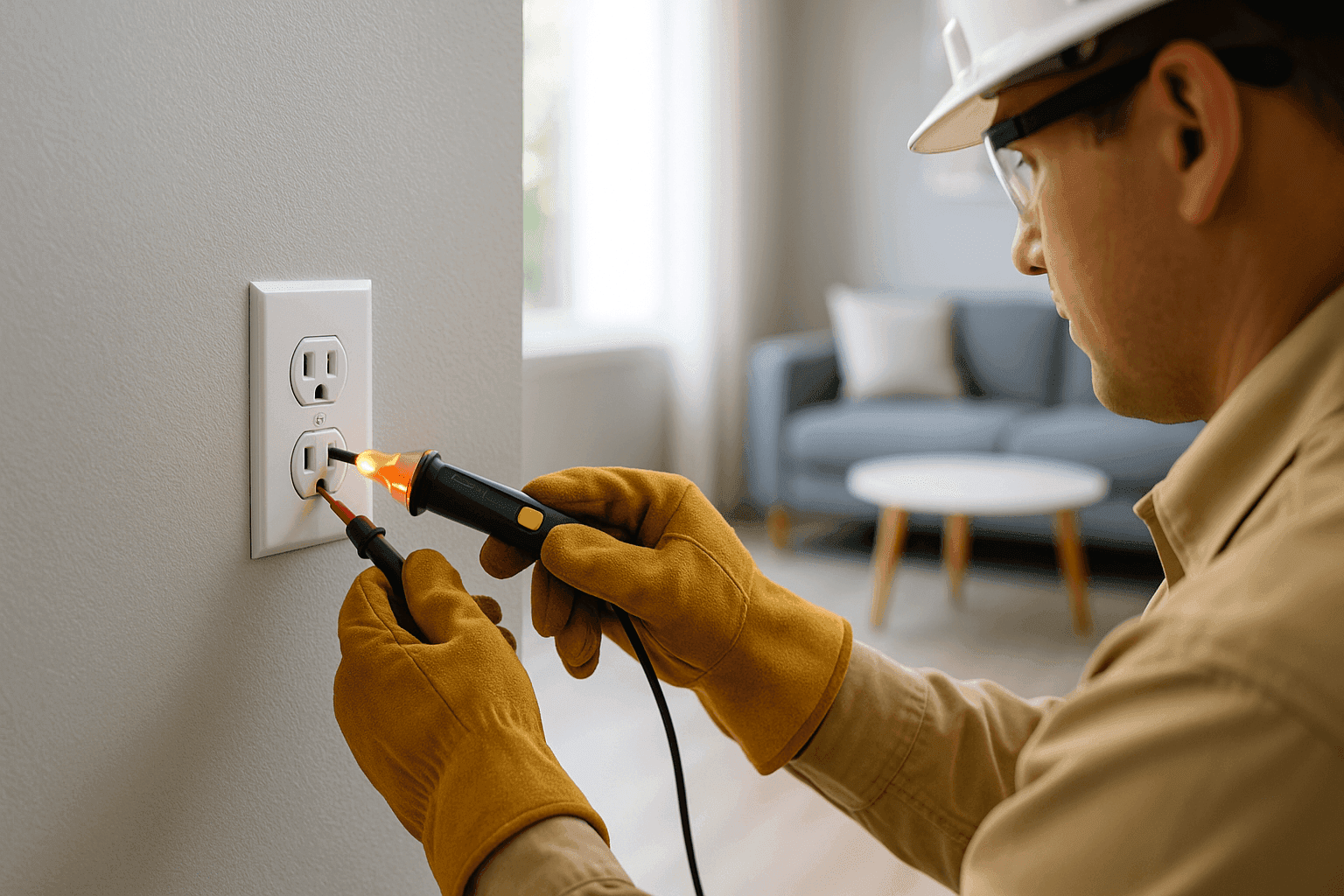
Electricity keeps your home humming—until something flickers, pops, or stops working entirely. If you’ve ever found yourself standing in the dark, staring at a lifeless outlet or a circuit breaker that refuses to cooperate, you’re not alone. Electrical hiccups can be stressful, but often, the first steps to troubleshooting are safe, simple, and empowering.
At A&E Electrical, we handle urgent calls day and night. But we also believe in helping homeowners understand their electrical systems. Here’s how to safely troubleshoot common problems—and how to know when to stop and call a 24 hour emergency electrician.
Safety First: Pre-Troubleshooting Checks ⚡
Before you touch a single switch or outlet, remember—electricity is powerful. Like a river after a rainstorm, it’s best to respect its currents. Every year, thousands of house fires and injuries start with a simple mistake or overlooked hazard.
Quick Safety Checklist:
- Never attempt electrical work with wet hands or standing on a wet floor.
- Always turn off the power at the breaker box before opening outlet or switch covers.
- Use insulated tools and a reliable voltage tester—never assume a wire is dead.
- If you see or smell smoke, or if you hear sizzling or popping behind walls, leave immediately and call a 24 hour service near you.
- For anything involving main panels, high-voltage wiring, or persistent issues, stop and contact a licensed electrician.
Authoritative reference: The National Electrical Code (NEC) and Electrical Safety Foundation International (ESFI) recommend untrained homeowners limit their troubleshooting to visual inspection and simple resets only.
Identifying the Problem
Most electrical issues show up in a handful of familiar ways. Like clues in a mystery novel, symptoms can help you zero in on the cause—if you know what to look for.
Common Home Electrical Problems:
- Dead outlets: Nothing powers on, no hum, no light, no response.
- Tripped breakers: Part of the house suddenly loses power, and a breaker switch on your panel is in the “off” or middle position.
- Flickering lights: Bulbs dim or blink, especially when appliances start up.
- Frequent blown fuses or tripped GFCIs: Safety devices cut power often, sometimes without clear cause.
- Sparking or buzzing switches/outlets: Sounds, heat, or vibration when you use them.
- Burning smells or scorch marks: Discoloration around outlets or switches—a big warning sign.
Troubleshooting Symptom Checklist
- Did the problem start after plugging in a new device?
- Are multiple outlets affected, or just one?
- Does resetting the breaker or GFCI fix it, even briefly?
- Are appliances unusually warm, or do they buzz?
- Is the issue isolated to a certain room or area?
Write down what you observe. This record helps if you need to call an emergency electrician later.
Simple Tests You Can Perform
Some issues have simple causes—and solutions. Here’s how to play electrical detective safely:
1. Check for Overloaded Circuits
Modern life means more gadgets than ever. Plugging too many devices into one outlet or circuit can make it trip.
- Unplug a few items, especially heaters, hairdryers, or kitchen appliances.
- Try resetting the breaker or GFCI outlet (the ones with “TEST” and “RESET” buttons).
- If the power returns and stays on, overload may be the culprit.
2. Reset a GFCI Outlet
These outlets protect you from shock in kitchens, bathrooms, and outdoors.
- Press the “RESET” button until it clicks.
- If it doesn’t stay in, unplug everything from the circuit and try again.
- Still nothing? The GFCI may be faulty or there may be a wiring issue.
3. Inspect for Loose Plugs and Switches
Loose plugs can cause arcing (tiny electrical jumps).
- Gently wiggle the plug—if it’s loose, stop using the outlet and call for repairs.
- Check for warm or discolored outlets; don’t use them.
4. Test Light Bulbs
Sometimes, the bulb is the issue.
- Swap out the bulb for a new one.
- If the fixture still flickers, the wiring or switch may be to blame.
Remember: If your circuit breaker trips immediately after resetting, or you see sparks, stop. These are signs of deeper trouble.
When to Involve a Professional
Electricity isn’t just another home repair. It’s more like a wild animal—approachable from a distance, dangerous up close. Knowing when to stop is as important as knowing where to start.
Call for emergency electrician help if:
- You smell burning or see scorch marks.
- There’s water near any electrical outlet or panel.
- Breakers won’t reset or trip repeatedly.
- You hear buzzing, popping, or crackling inside the walls.
- Lights dim dramatically when appliances start.
- Outlets or switches are hot to the touch.
- You see exposed wires or sparks.
Why call A&E Electrical? We’re fully licensed, insured, and trained to handle emergencies, high-voltage wiring, and complex troubleshooting. We carry the right safety gear and diagnostic tools, and we follow all state and national electrical codes. Your safety is our priority.
What the Pros Do on Arrival
When an emergency electrician arrives, they don’t just flip switches—they follow a methodical process:
- Visual inspection: Checking for damage, scorch marks, and obvious hazards.
- Testing: Using calibrated meters to confirm if circuits are live or properly grounded.
- Tracing circuits: Following the wiring to find breaks or shorts.
- Evaluating load: Ensuring circuits aren’t overloaded and all connections are tight.
- Making safe repairs: Whether it’s a faulty outlet, breaker replacement, or rewiring.
All work is done to code, with safety as the first concern. No guesswork, no shortcuts.
Prevention and Maintenance Tips 🛠️
The best way to avoid electrical headaches is regular maintenance. Just like you’d check your car’s oil, a little attention goes a long way.
Simple ways to keep your home safe:
- Test GFCI and AFCI outlets monthly.
- Replace old, brittle extension cords.
- Don’t daisy-chain power strips or overload outlets.
- Schedule an annual electrical safety inspection.
- Upgrade old wiring (knob-and-tube, aluminum) if your home is older.
- Install whole-house surge protection.
- Check smoke and carbon monoxide detectors every season.
For homes with pools, spas, or new high-powered appliances, ask about dedicated circuits and upgraded panels.
Costs & Time Factors
Electrical troubleshooting can range from a quick fix (replacing a breaker or GFCI outlet) to more involved repairs (rewiring, panel upgrades). Most simple diagnostic visits take 30–60 minutes. More complex issues—especially those involving older wiring or hidden faults—can take longer.
Factors affecting cost and time:
- Age and condition of your wiring
- Accessibility of outlets, panels, or fixtures
- Severity of the issue (minor repair vs. full rewiring)
- Need for permits or code upgrades
A reputable 24 hour service near you will always explain the findings before starting repairs.
When It’s an Emergency
Some electrical problems can’t wait. Here’s when to pick up the phone—no hesitation.
Call immediately if:
- There’s electrical fire or visible smoke.
- Water is leaking onto electrical panels or outlets.
- The main breaker won’t reset and you have no power.
- You receive a shock, even a mild one, from any outlet or appliance.
- You hear persistent buzzing, popping, or smell burning plastic.
Fast action saves property and lives. Emergency electricians are trained for these situations, arriving with the tools and know-how to get you safe quickly.
FAQ
What’s the difference between a GFCI and a regular outlet?
A GFCI (Ground Fault Circuit Interrupter) outlet protects against dangerous shocks, especially in wet areas. It shuts off power instantly if it detects a leak to ground, much faster than a regular breaker.
Why do my lights flicker when the air conditioner or microwave starts?
Large appliances draw extra current when they start. If your wiring or panel is undersized, lights may dim or flicker. Consistent flickering could mean loose connections or overloaded circuits—time for an inspection.
Is it safe to reset a tripped breaker more than once?
If a breaker trips again immediately, don’t keep resetting it. This points to a serious problem—possibly a short circuit or overload. Repeated resetting can cause more damage.
How often should I have my home’s electrical system checked?
For most homes, every 3–5 years is a good rule of thumb. Older homes, or those with frequent problems, should be checked annually. Always after major renovations or new appliance installations.
Local and Seasonal Considerations 🌦️
Electrical issues can spike during certain times of year:
- Storm season: Lightning and power surges can overload circuits.
- Winter: Portable heaters and holiday lights add extra demand.
- Summer: Air conditioning and pool equipment can stress older wiring.
If your home is in an area prone to storms or heavy snow, consider surge protection and backup generators. Regular checks before the seasons change can prevent nasty surprises.
If you ever feel unsure, don’t risk it. Electricity is unforgiving. For urgent help or friendly advice, Call A&E Electrical now — or reach us anytime at 888-873-6160 . Your safety is our mission, 24/7.