Complete Guide to Home Electrical Panel Upgrades and Safety
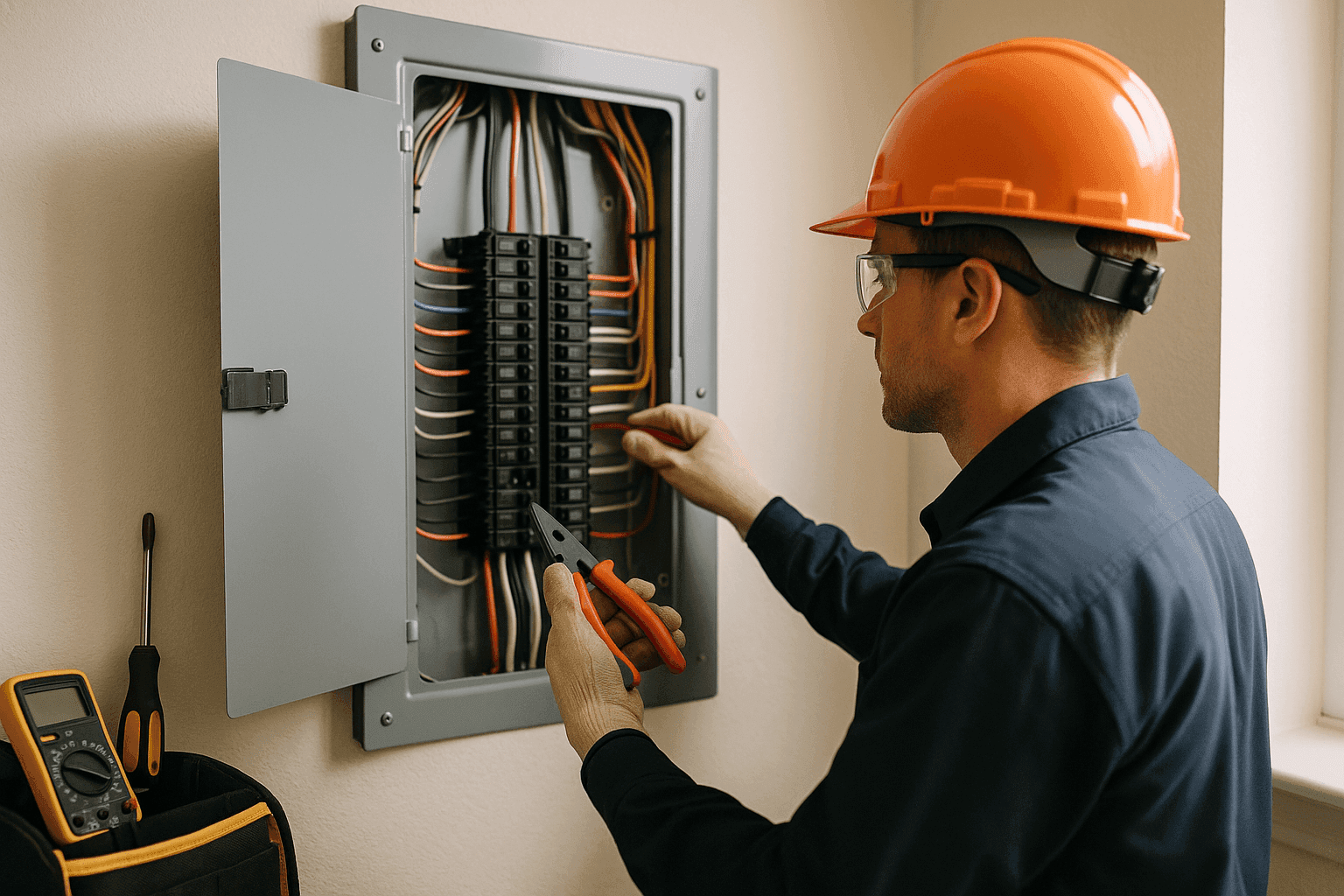
Is your home’s electrical panel a silent hero—or a ticking time bomb? Most people don’t think about their panel until the lights flicker or the breakers start snapping off like popcorn. But your panel is the heart of your home’s power. When it’s outdated or overloaded, it can put your family, your business, and your peace of mind at risk.
At A&E Electrical, we know that safety isn’t just a checklist—it’s a daily reality. Whether you’re a homeowner or a small business owner, understanding when and why to upgrade your electrical panel can make all the difference. Let’s shed light on what’s happening behind that gray metal door.
What Does an Electrical Panel Do? ⚡
Think of your electrical panel as the traffic controller for electricity in your home or business. It takes power from the utility company and sends it safely to every outlet, light, and appliance. Each breaker is like a gatekeeper, shutting things down if something goes wrong.
But just like an old car struggles with today’s highways, older panels can’t handle the demands of modern living—think air conditioners, EV chargers, or smart home devices. If your panel is over 20–30 years old, it might already be running out of steam.
Signs You Need an Upgrade
How do you know if your panel is crying out for help? Watch for these red flags:
- Frequent breaker trips—not just once or twice, but often.
- Flickering or dimming lights, especially when using appliances.
- Burning smells or warm spots near the panel.
- Buzzing or crackling sounds coming from the panel.
- Outdated fuse boxes instead of breakers.
- Rust, corrosion, or visible damage on the panel.
- Lack of capacity—no room for new circuits when adding appliances or renovations.
If any of these sound familiar, it’s time to take a closer look.
Quick Safety Checklist
Before you open that panel—or call anyone—run through this quick safety list:
- Never touch the panel with wet hands or while standing on a wet surface.
- Look for warning labels or signs of tampering.
- Don’t try to force a stuck breaker.
- If you smell burning or see smoke, step away and call an emergency electrician immediately.
- Keep the area around the panel clear for easy access.
Staying safe starts with simple habits.
Why Old or Overloaded Panels Are a Risk
An outdated or overloaded panel is like a dam with too many cracks. It might hold—for now. But when the pressure builds, the results can be catastrophic.
Here’s what’s at stake:
- Fire hazards: According to the National Fire Protection Association (NFPA), electrical failures are a leading cause of home fires.
- Shocks and injuries: Faulty panels can expose live wires or fail to trip during a short circuit.
- Appliance damage: Surges and inconsistent power can shorten the life of your electronics.
- Code violations: Older panels may not meet current safety standards (see National Electrical Code, NEC).
Upgrading isn’t just about convenience. It’s about protecting what matters most.
Benefits of a Modern Electrical Panel
Upgrading your panel is like swapping a rusty bike for a modern SUV—more power, more safety, and more room for the future.
Here’s what you gain:
- Enhanced safety with advanced circuit breakers and surge protection.
- Room for growth—add circuits for new appliances, home offices, or renovations.
- Support for home automation and smart tech.
- Readiness for EV chargers and high-powered equipment.
- Peace of mind knowing your system meets today’s safety codes.
A modern panel is an investment in your property’s value and your family’s safety.
DIY vs. Call a Pro
Sure, flipping a breaker is easy. But upgrading a panel? That’s a whole different ballgame.
Why call a licensed electrician?
- Electrical panels deal with high voltage—mistakes can be deadly.
- Upgrades require permits and inspections by law.
- Only a pro can evaluate your system’s capacity and spot hidden hazards.
- Certified electricians follow strict codes and safety standards (like NEC and OSHA).
Changing a light bulb is a DIY win. Panel upgrades? Always call in the pros.
What Pros Do On Arrival
Wondering what happens when you book a panel upgrade with A&E Electrical? Here’s a peek behind the curtain:
- Initial Inspection: We assess your current panel, wiring, and overall electrical load.
- Load Calculation: We figure out how much power your home or business really needs—now and in the future.
- Safety Check: We look for signs of overheating, loose wires, or outdated components.
- Code Review: We make sure everything will meet the latest NEC and local safety requirements.
- Upgrade Plan: We recommend the right panel size and features for your needs.
- Professional Installation: We handle the swap, connect all circuits, and label everything clearly.
- Testing & Certification: We test every circuit, check grounding, and arrange for official inspection and certification.
Every step is about safety, reliability, and getting you back up and running—fast.
The Upgrade Process: Step by Step
Let’s break it down:
- Consultation: Book an inspection with a licensed electrician.
- Evaluation: The electrician checks your panel, wiring, and overall system.
- Planning: Decide on the right panel size and features (future-proofing is key).
- Permits: Your electrician secures any required permits.
- Shutdown: Power is safely turned off during installation.
- Installation: Old panel is removed, new panel installed, circuits reconnected.
- Testing: Every circuit is checked for safety and function.
- Inspection: Final sign-off by an official inspector.
- Cleanup: Area is left clean and safe.
From start to finish, a typical upgrade takes one to two days—sometimes longer for complex jobs.
Prevention & Maintenance
A new panel isn’t “set it and forget it.” Regular maintenance keeps your system running smoothly.
Tips:
- Schedule a professional inspection every 3–5 years.
- Keep the panel area dry and clear of clutter.
- Label all breakers for quick identification.
- Watch for any signs of trouble—tripping breakers, odd noises, or smells.
- Install surge protection to shield sensitive electronics.
Just like a car needs oil changes, your electrical system needs checkups.
Costs & Time Factors
No one likes surprises—especially when it comes to costs. While every job is different, here’s what to expect:
- Basic upgrades (replacing an old panel with a similar one) are usually faster and less expensive.
- Major upgrades (increasing capacity, rewiring, or adding circuits) take more time and materials.
- Permits and inspections add to the timeline but are required for safety and code compliance.
- Seasonal demand—busy times (before winter storms or summer heatwaves) may affect scheduling.
Most panel upgrades are completed in one to two days, but complex projects may take longer. Costs vary based on panel size, home age, and specific needs. Always get a clear estimate before work begins.
When It’s an Emergency
Some panel problems can’t wait. If you notice:
- Smoke, sparks, or burning smells from your panel
- Breakers that won’t reset or keep tripping instantly
- Loss of power to multiple rooms or critical equipment
- Signs of melting, charring, or water damage
Don’t wait. Call an emergency electrician right away. Electrical emergencies can escalate quickly, putting your property and safety at risk.
FAQ: Your Electrical Panel Questions Answered
How often should I upgrade my panel?
Most panels last 25–40 years, but heavy use or new appliances can shorten that timeline. If your panel is over 20 years old or you’re renovating, it’s time for a checkup.
Can I add circuits without upgrading the panel?
Sometimes, but only if your panel has available capacity. Overloading can lead to dangerous conditions. A licensed electrician can tell you what’s safe.
Will a new panel lower my energy bill?
Not directly, but safer, more efficient systems can reduce waste and prevent costly damage to appliances.
Do I need a permit?
Yes. Electrical panel upgrades require permits and inspections to comply with safety codes (refer to the National Electrical Code for details).
Special Considerations for Panel Upgrades
- Seasonal Prep: Before winter storms or summer heat, make sure your panel can handle extra load from heaters or air conditioners.
- Smart Homes: Modern panels support home automation, security, and energy management.
- EV Chargers: Adding an electric vehicle charger? You’ll likely need a panel with higher capacity.
- Older Homes: Some panels (like certain brands or models) are now known fire risks—ask your electrician if yours is on the list.
- Insurance: Upgrading may lower your insurance premiums, as newer panels reduce fire risk.
Your electrical panel is the backbone of your building’s safety and comfort. Don’t leave it to chance.
Call A&E Electrical now — or reach us anytime at 888-873-6160 .