Home Electrical Safety Inspections: What to Expect and When to Schedule
Picture this: You’re relaxing at home, the lights humming quietly above, appliances running smoothly in the background. But how sure are you that everything behind the walls is truly safe? Electrical safety is often overlooked—until it becomes urgent.
A&E Electrical understands the quiet worry that comes with flickering lights, aging wiring, or a sudden power loss. Our 24 Hour Service is here for those emergencies, but regular electrical safety inspections can help you avoid those heart-thumping moments altogether. Let’s pull back the curtain on what an inspection really involves, why it’s so important, and when you should schedule one for your home.
What Is an Electrical Safety Inspection? ⚡
An electrical safety inspection is like a detailed health checkup for your home’s wiring, circuits, and electrical systems. It’s not just about making sure the lights turn on; it’s about confirming your home is safe, energy-efficient, and up to modern code.
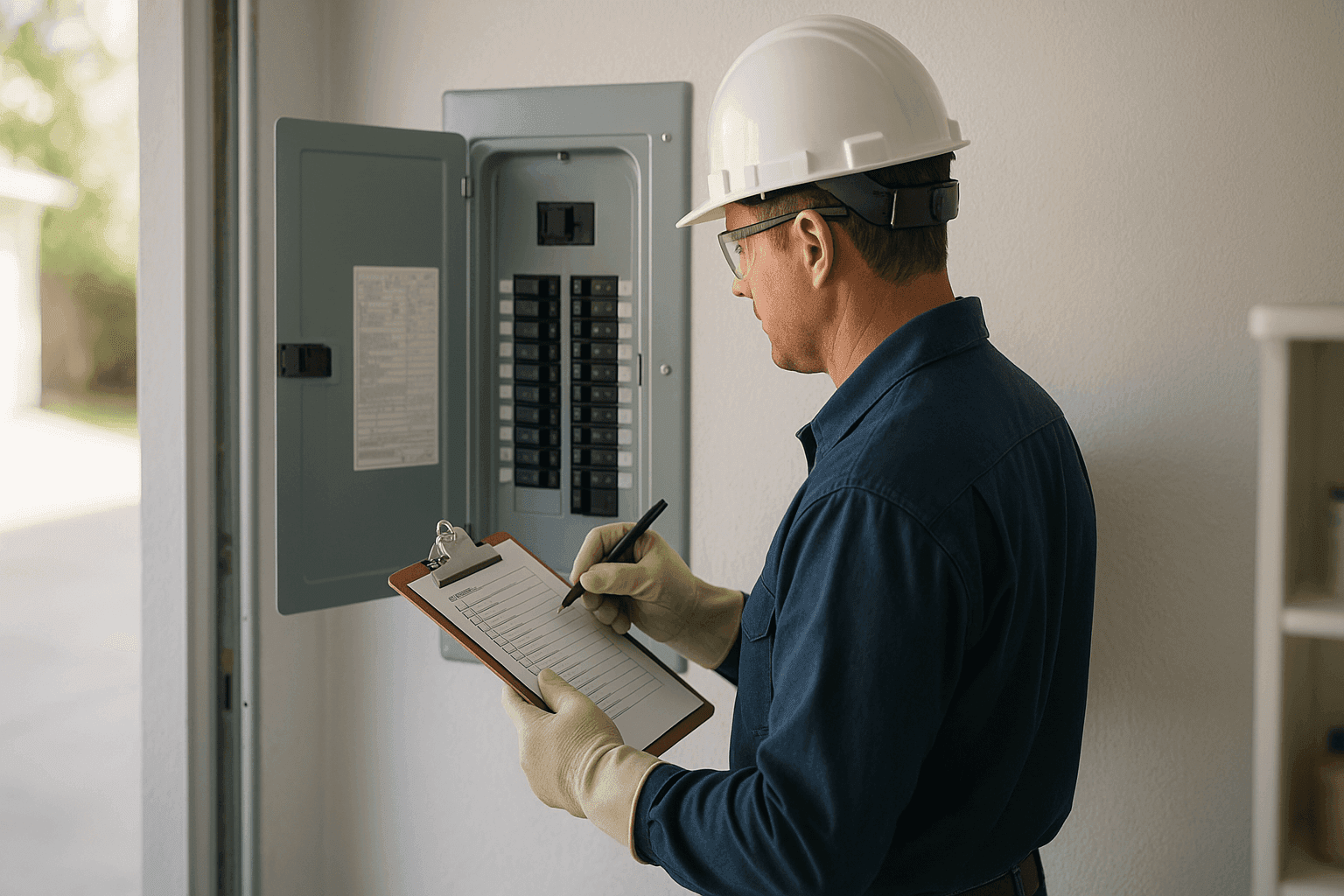
During an inspection, a licensed electrician—like those at A&E Electrical—walks through your home, testing, measuring, and visually inspecting key components. The National Electrical Code (NEC) sets the baseline for what’s considered safe, but local codes and insurance requirements may raise the bar even higher.
Inspections go beyond basics. They check for fire hazards, signs of wear, outdated materials, and anything that might put your family or property at risk. Whether you’re buying, selling, renovating, or just want peace of mind, these checks are crucial.
Benefits of Regular Inspections
Why bother if everything seems fine? Here’s why regular electrical safety inspections matter:
- Prevent Fires: Faulty wiring is a leading cause of home fires. An inspection can reveal issues before they spark.
- Code Compliance: Electrical codes evolve. Inspections ensure your system meets current standards—a must for insurance claims and home sales.
- Peace of Mind: Sleep easier knowing your family is safe from hidden dangers behind the walls.
- Insurance Savings: Some insurers offer lower premiums if your home’s electrical system is certified safe.
- Avoid Emergencies: Small issues caught early mean you’re less likely to need an emergency electrician at 2 a.m.
- Protect Investments: Whether you’ve just renovated or installed a new EV charger, inspections safeguard your upgrades.
Inspection Checklist: What Gets Checked?
A home electrical safety inspection is thorough. Here’s what’s on the list:
- Electrical Panel & Breakers: Signs of overheating, corrosion, or outdated components.
- Wiring & Circuits: Frayed, damaged, or ungrounded wires; aluminum vs. copper wiring.
- Outlets & Switches: Loose connections, scorch marks, or outlets that don’t hold plugs snugly.
- GFCI & AFCI Protection: Required in kitchens, bathrooms, and other wet areas.
- Lighting Fixtures: Safe installation, proper wattage, and no exposed wiring.
- Smoke & CO Detectors: Placement, expiration dates, and battery checks.
- Grounding & Bonding: Ensures stray electricity has a safe path out.
- Surge Protection: Whole-house and device-level protection.
- Appliances & Major Loads: Safe connections for stoves, dryers, EV chargers, and more.
- Outdoor & Pool/Spa Wiring: Weatherproofing, proper enclosures, and safe distance from water.
- Doorbells, Intercoms, and Low-Voltage Systems: Proper operation and safe installation.
Each item is checked against NEC standards and local codes. The electrician notes any hazards or needed upgrades, then provides a clear report.
How Often Should You Schedule?
Timing matters. Inspections aren’t just for when things go wrong—they’re for prevention. Here’s when you should schedule:
- Buying or Selling a Home: Always get an inspection. It’s often required and can reveal hidden problems before closing.
- After Major Renovations: Any time electrical work is done—new circuits, rewiring, or additions—schedule a check.
- Older Homes (25+ years): Schedule every 3–5 years. Materials degrade and codes change.
- Rental Properties: Annually, especially if tenants change.
- After Major Storms or Floods: Water and power surges can cause hidden damage.
- Regular Maintenance: Every 5–7 years for modern homes, unless you notice issues.
Think of it like a dental checkup: even if nothing hurts, prevention saves trouble (and expense) down the road.
Common Findings: What Might an Electrician Uncover?
You might be surprised by what a trained eye can spot. Common issues during inspections include:
- Outdated Fuse Boxes: Still common in older homes, these can’t handle modern loads safely.
- Aluminum Wiring: A fire risk in homes built between the 1960s–1970s.
- Double-Tapped Breakers: Multiple wires on a single breaker—a shortcut that can lead to overheating.
- Improper Grounding: Without grounding, stray current can shock or damage devices.
- Missing GFCI Outlets: Especially risky in bathrooms, kitchens, and outdoors.
- Overloaded Circuits: Too many devices on one line, causing tripped breakers or warm outlets.
- Hidden Junction Boxes: Connections buried behind walls—against code and hard to repair safely.
- Aging Smoke/CO Detectors: Detectors older than 10 years may not work when you need them most.
The Importance of Code Compliance
Electrical codes aren’t just bureaucratic red tape—they’re proven guidelines for safety, set by organizations like the National Fire Protection Association (NFPA) and adopted by local authorities. Code compliance is especially important if:
- You’re selling or refinancing (most lenders require it)
- You’re renovating or adding major appliances
- Insurance companies request proof of inspection
Staying up-to-date helps you avoid fines, failed sales, and—most importantly—keeps your family safe.
Inspection and Insurance: The Overlooked Link
Insurance companies increasingly require homes to pass electrical safety inspections, especially if your property is older or has had DIY work. A certified inspection can help with:
- Lower Premiums: Some insurers reward safe homes.
- Faster Claims: If something happens, having up-to-date inspection records speeds up the process.
- Disaster Recovery: Proof of compliance can be crucial if you need to file a major claim after a fire or storm.
Check with your provider for their requirements, and keep your inspection report handy.
When Should You Call an Emergency Electrician?
Not all issues can wait for a scheduled inspection. Call a 24 Hour Service near you if you notice:
- Burning smells from outlets or panels
- Flickering or dimming lights across multiple rooms
- Buzzing sounds or sparks when using switches
- Outlets or switches that are hot to the touch
- Loss of power in part or all of your home
These signs mean something serious could be wrong. For emergencies, A&E Electrical is always ready to respond.
Practical Tips for Homeowners
- Test Smoke Detectors Monthly: Press the button; replace batteries every year.
- Don’t Ignore Flickers: Repeated flickering may mean loose wiring or overloaded circuits.
- Feel Your Outlets: Warm or hot outlets are a red flag.
- Limit Extension Cord Use: These are for temporary fixes, not permanent wiring.
- Know Your Panel: Label circuits clearly, and don’t overload them.
For more home safety advice, check the U.S. Consumer Product Safety Commission and the National Fire Protection Association’s residential guidelines.
Frequently Asked Questions
Q: Can I do my own safety inspection?
A: Basic checks—like testing smoke alarms or looking for damaged cords—are fine for homeowners. But full electrical safety inspections require specialized tools and training. Only licensed electricians should open panels or test circuits.
Q: What happens if my home fails an inspection?
A: The electrician will give you a list of issues to fix. Some are urgent (fire hazards), while others can be scheduled. You’re not required to fix everything at once, but immediate dangers should be addressed right away.
Q: How long does an inspection take?
A: Most inspections for single-family homes take 1–3 hours, depending on size and complexity.
Q: Are inspections disruptive?
A: Not at all. Electricians work efficiently and respectfully, with minimal interruption to your day.
Local and Seasonal Considerations
If you live in an area prone to storms, flooding, or extreme temperature swings, regular inspections are even more important. Moisture and heat can quickly degrade wires and panels. In older neighborhoods or historic homes, aging infrastructure may require more frequent checks.
Seasonal changes matter, too. Before winter storms or summer heat waves, an inspection can ensure your system is ready to handle extra load—especially if you’re running heaters, AC, or new appliances.
Ready for Peace of Mind?
Don’t wait for sparks to fly before acting. A home electrical safety inspection is the best way to uncover hidden dangers, meet code, and ensure your family’s safety. Whether you need a routine check, post-renovation sign-off, or urgent help, A&E Electrical is here for you—day or night.
Call A&E Electrical now — or reach us anytime at 888-873-6160 .