Home EV Charger Installation: What Homeowners Need to Know
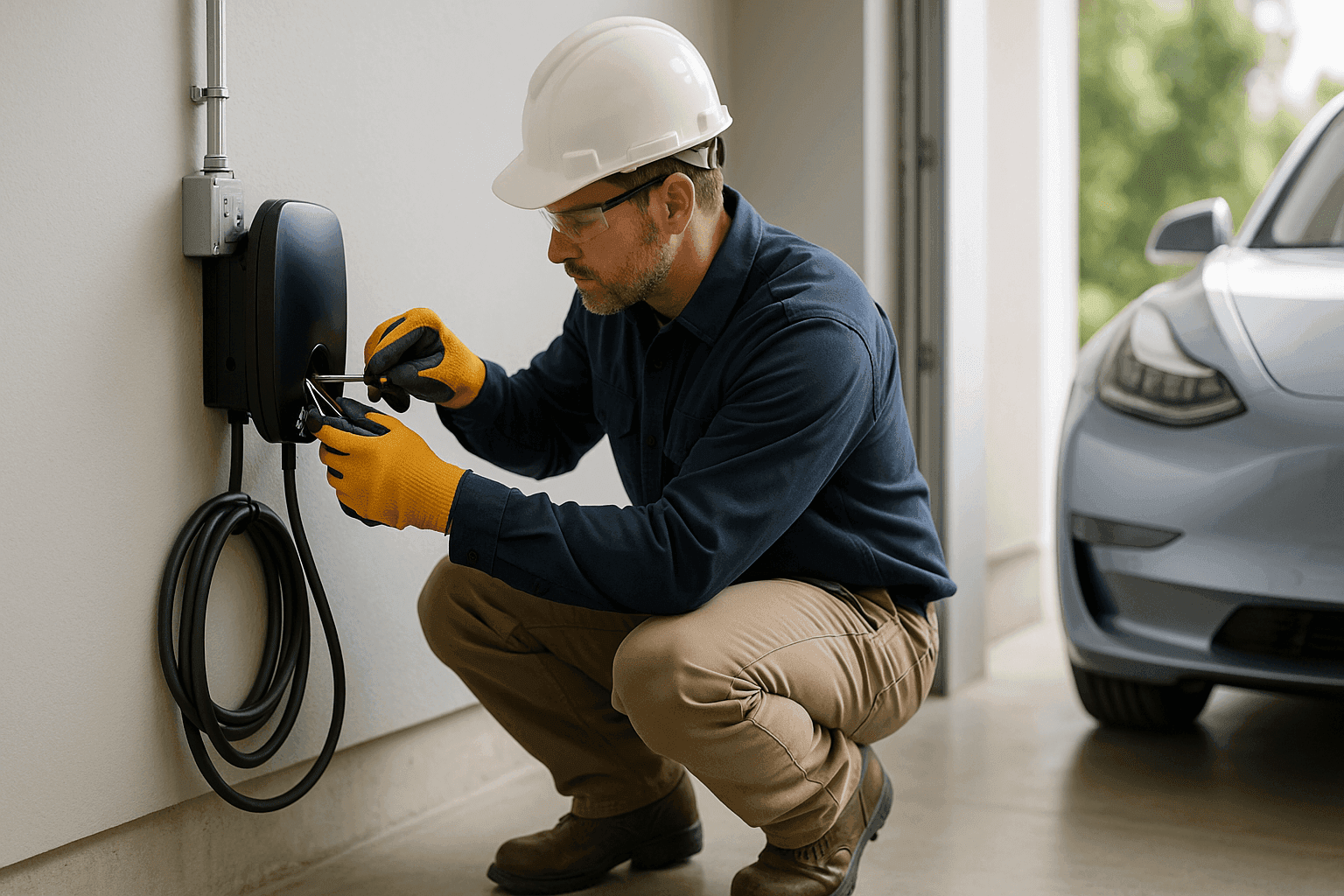
Thinking about installing an EV charger at home? You’re not alone. More homeowners are plugging into electric vehicles every day. But getting your garage ready isn’t always as simple as plugging in a new lamp.
The process has twists, turns, and a few bumps. Wiring. Safety codes. Permits. That’s where the right help matters—and where A&E Electrical’s 24 Hour Service near you comes in. We’re here so you’re never left in the dark.
Types of Home EV Chargers ⚡
Choosing a charger is like picking shoes for a big hike: the right fit means a smooth journey. Here’s what’s out there:
Level 1 Chargers
- Plug into a standard 120V outlet (the kind you use for a toaster).
- Slow and steady—adds about 2–5 miles of range per hour.
- Best if you drive short distances or charge overnight.
Level 2 Chargers
- Runs on a 240V circuit, just like a dryer or oven.
- Much faster. Adds about 12–60 miles of range per hour.
- Needs a dedicated line—often requires new wiring.
Level 3 (DC Fast Chargers)
- Rare for homes due to cost and power needs.
- Mostly for commercial locations or fleet vehicles.
Compatibility tip: Not all chargers fit every car. Check your EV’s plug type and charging speed. If you’re planning on upgrading your ride in the future, choose a charger that works with multiple vehicles (look for universal J1772 connectors or adapters).
Electrical Upgrades and Permits
Installing a Level 2 charger isn’t just a matter of plugging it in. Think of your electrical panel as a busy post office. Every new circuit is another package to sort—and sometimes, you need to expand capacity.
What Might Need Upgrading?
- Electrical Panel: Older homes may need a service upgrade to handle the extra load.
- Dedicated Circuit: The charger must have its own breaker for safety.
- Wiring: The right wire gauge is critical to prevent overheating.
Permits and Safety Codes
- Permits: Most cities require permits for new circuits and EV charger installations.
- Inspections: Local building departments inspect for code compliance.
- National Electrical Code (NEC): Followed by all licensed electricians. For example, NEC Article 625 covers EV charging systems.
Skipping permits or hiring an unlicensed installer is like building a treehouse with no nails—it might look okay, but one storm and things could fall apart.
Installation Process
Wondering what to expect? Here’s how the process usually goes:
- Assessment: A licensed emergency electrician checks your panel, wiring, and garage for compatibility.
- Planning: They’ll help you choose the best charger type and location.
- Permits: Secure necessary permits with your city.
- Upgrades: If needed, upgrade the panel or wiring.
- Installation: Mount the charger, run conduit/wiring, and connect everything safely.
- Inspection: The city inspects the work for code compliance.
- Testing: The electrician tests the charger and educates you on safe use.
Pro tip: Keep your charger accessible but away from water or direct sunlight.
Costs and Incentives 💡
Price tags vary. Think of it like remodeling a kitchen—costs depend on what you already have and what you need to add.
- Charger unit: $300–$1,200+ (Level 2 models vary by features)
- Installation: $400–$2,500+ depending on panel upgrades, wiring, and permits
- Permits/inspection: $50–$300 (varies by city)
- Upgrades: Older homes may need a new panel, costing $1,000–$3,000+
Incentives:
- Federal tax credits may cover a portion of charger and installation costs.
- Some utility companies offer rebates—check with your local provider.
- Refer to the U.S. Department of Energy and your state’s energy office for current programs.
DIY vs. Professional Installation
Installing an EV charger isn’t like assembling flat-pack furniture. Mistakes can lead to electrical fires or void your insurance. Let’s compare:
DIY Risks
- Shock, fire, or injury
- Voiding home insurance
- Failing inspections
- Non-compliance with codes
Why Hire a Licensed Electrician?
- Ensures safe, code-compliant installation
- Handles permits and inspections
- Upgrades panels or wiring if needed
- 24 Hour Service near you for urgent needs
Your family’s safety is worth more than saving a few bucks. Plus, only a licensed electrician can sign off on required certificates for insurance and resale.
Future-Proofing for New Vehicles
EV technology is changing fast. You want an installation that won’t be outdated next time you upgrade your ride.
Tips:
- Install a charger compatible with both current and next-generation vehicles.
- Size your electrical panel for possible future loads (another EV? Home battery?).
- Consider smart chargers with WiFi/app controls for added flexibility.
Safety Tips for Home EV Charging 🔒
Keep your family safe and your investment protected.
- Never use extension cords with EV chargers.
- Keep charging stations dry and free from clutter.
- Schedule regular electrical safety inspections.
- Test GFCI outlets and breaker function monthly.
- Watch for signs of overheating: melted plugs, discoloration, or a hot charger.
The National Fire Protection Association (NFPA) and Electrical Safety Foundation International (ESFI) both recommend routine checks and professional installation.
Frequently Asked Questions
How long does a home EV charger installation take?
Most installations take 2–4 hours if your electrical panel is ready. If upgrades are needed, it might take a day or two.
Can I use my dryer outlet for EV charging?
Not safely. Charger circuits need dedicated breakers and specific wiring to meet code. Sharing outlets can risk overload and fire.
What happens if I overload my panel?
Breakers may trip—or worse, you could face electrical fires. Always have a professional assess your system before adding new loads.
Will a home EV charger raise my energy bill?
Charging does use more electricity, but smart chargers let you schedule charging during off-peak hours to save money.
Planning, Budgeting, and Staying Safe
Planning ahead means fewer surprises. Budget for the charger, installation, and possible upgrades. Always involve a licensed emergency electrician for a safe, code-compliant job.
Codes change, incentives update, and vehicles evolve. The safest bet is to work with professionals who keep up with it all—so you can plug in with peace of mind.
Ready to Power Up?
A&E Electrical is here for you 24/7. Whether you’re planning ahead or need emergency help, our licensed team is just a call away.
Call A&E Electrical now — or reach us anytime at 888-873-6160 .