How to Prepare Your Home Electrical System for Winter Storms
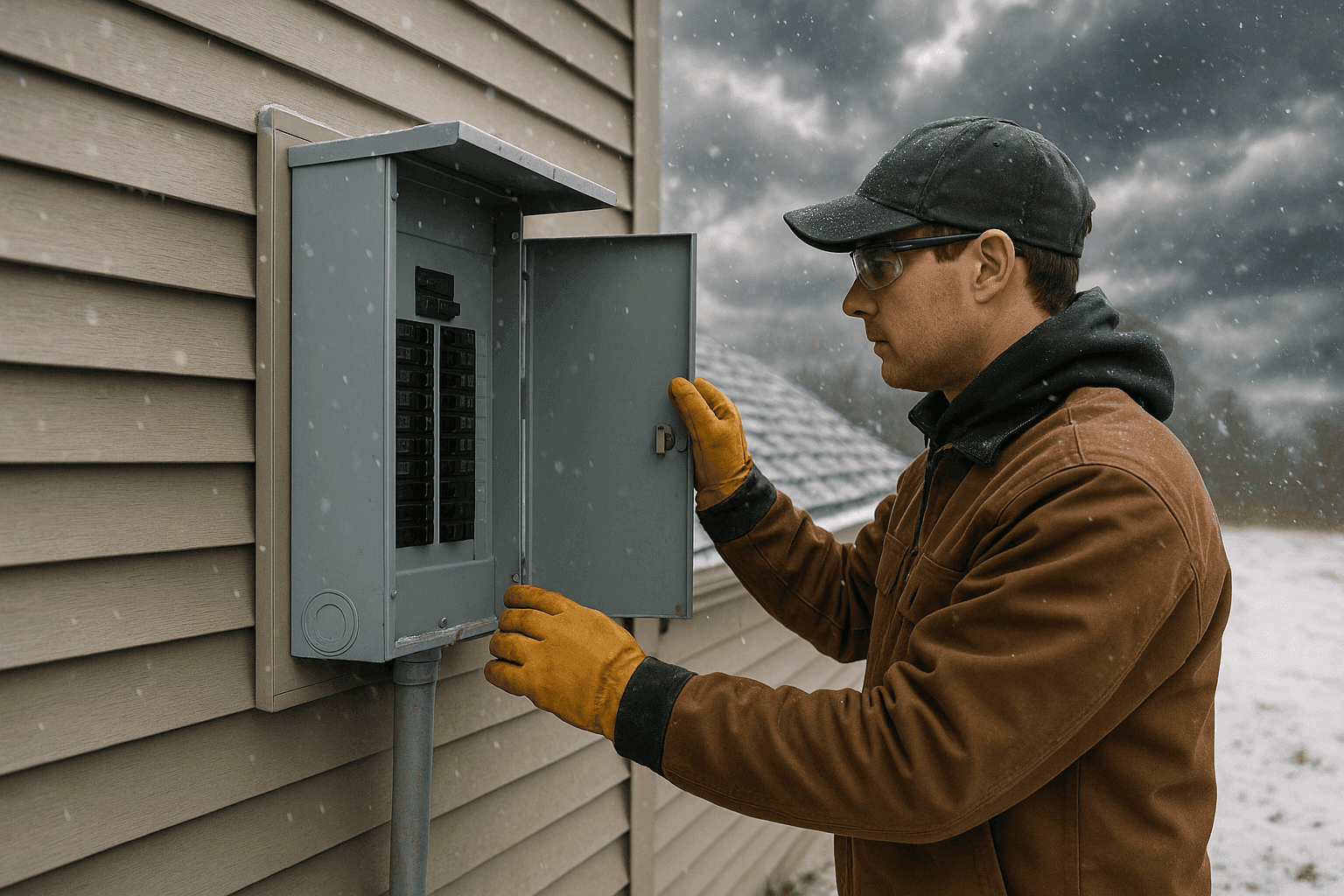
Winter storms have a way of turning a cozy night indoors into a scramble for flashlights and blankets. Flickering lights. The hum of the heater cutting out. Sudden silence except for the wind howling outside. No one wants to be left in the dark—literally or figuratively—when the weather turns for the worse.
At A&E Electrical, we help homeowners and small business owners weather the storm safely. A little preparation goes a long way. Here’s how you can get ahead of winter’s wild side and keep your electrical system safe, reliable, and ready for anything.
Why Winter Storms Are Hard on Electrical Systems
Winter storms are more than just a chilly inconvenience. Ice, snow, and wind can knock down power lines, freeze outdoor wiring, and overload your system as heaters, lights, and appliances work overtime. Think of your home’s electrical system as a team of runners—when the weather gets tough, they’re suddenly asked to sprint uphill.
The risks? Power outages, surges, and even fire hazards. Frozen wires can crack. Overloaded circuits can overheat. And a single fallen branch can leave your home in the dark for hours—or longer.
Quick Safety Checklist Before the Storm Hits ⚡
A few minutes of preparation can prevent hours of stress. Use this checklist to spot trouble before the first snowflake falls:
- Inspect outlets and switches. Look for scorch marks, buzzing sounds, or loose plates.
- Check extension cords and power strips. Replace any that are frayed or damaged.
- Test smoke and carbon monoxide detectors. Replace batteries and ensure alarms are working.
- Review your breaker panel. Make sure circuits are labeled and accessible.
- Unplug sensitive electronics. Especially if you don’t have surge protection.
- Locate your backup generator. Make sure it’s fueled, serviced, and ready for use.
- Stock up on flashlights and batteries. Candles are a fire risk—stick to LEDs.
- Know your emergency electrician’s number. Keep it handy for quick help.
Inspecting Wiring and Outlets for Winter Damage
Cold weather can be tough on wiring, especially in older homes. As temperatures drop, wires contract. If there’s already a weak spot or old insulation, cracks can appear—sometimes hidden behind walls or under floors.
- Look for flickering lights. This can signal loose wiring or overloaded circuits.
- Feel for warm outlets or switches. Heat means something’s not right.
- Listen for buzzing or sizzling. Electrical systems should run silently.
- Check outdoor outlets. Ensure covers are weatherproof and tightly sealed.
If you spot anything suspicious, it’s safer to call an emergency electrician than to wait and see. According to the National Fire Protection Association (NFPA), electrical failures are a leading cause of house fires, especially during winter months.
Surge Protection: Your First Line of Defense
Winter storms often bring power surges—sudden spikes in voltage that can fry sensitive electronics or even start fires. A surge protector acts like a goalie, blocking dangerous voltage from reaching your devices.
- Install whole-home surge protectors. These are wired directly into your main panel.
- Use point-of-use surge strips. For computers, TVs, and appliances.
- Unplug during severe storms. If you’re not using it, disconnect it.
The Electrical Safety Foundation International (ESFI) recommends surge protection for all homes, especially in areas prone to storms.
Safe Use and Maintenance of Backup Generators
A backup generator can be a lifesaver when the power goes out. But using it wrong is like playing with fire—literally.
- Never run generators indoors. Carbon monoxide is colorless, odorless, and deadly.
- Keep generators dry and shielded from snow. Water and electricity don’t mix.
- Use heavy-duty extension cords rated for outdoor use.
- Follow the manufacturer’s maintenance schedule. Change oil, check filters, and test run monthly.
- Install a transfer switch. This lets you safely connect your generator to your home’s circuits.
If you’re not sure how to set up or maintain your generator, an emergency electrician can help you do it safely and in line with National Electrical Code (NEC) guidelines.
Emergency Electrical Preparedness Tips
Winter storms don’t always give you time to prepare. Make a plan now so you’re not scrambling later.
- Know where your main breaker is. You may need to shut off power in an emergency.
- Keep a list of emergency contacts. Include your electrician, utility company, and local authorities.
- Create a blackout kit. Flashlights, batteries, a battery-powered radio, and extra blankets.
- Charge devices in advance. Phones, battery packs, and medical equipment.
- Review your evacuation plan. If you need to leave, know how to turn off the power safely.
DIY vs. Call a Pro: When to Tackle It Yourself
Some electrical prep is safe for DIY. Other times, it’s best to call in the professionals.
Safe for DIY
- Replacing batteries in detectors
- Plugging in surge strips
- Checking for obvious damage
Leave to the Pros
- Opening electrical panels
- Rewiring outlets or circuits
- Installing whole-home surge protectors
- Any repair involving exposed wiring
Electricity isn’t forgiving. If you’re unsure, don’t risk it.
What Happens When an Emergency Electrician Arrives
When you call A&E Electrical for emergency service, here’s what you can expect:
- Rapid assessment. We check for immediate hazards and stabilize the situation.
- Thorough inspection. We look for hidden damage, especially after a storm.
- Clear communication. We explain what’s wrong, what needs fixing, and what’s safe to use.
- Code-compliant repairs. All work follows current safety standards and regulations.
- Follow-up advice. We help you understand how to prevent future issues.
Our team is available 24/7, because storms don’t keep business hours.
Prevention and Maintenance: Stay Ahead of Trouble 🛠️
Think of electrical maintenance like getting your car ready for winter. A little tune-up now can prevent a breakdown later.
- Schedule annual electrical safety inspections. A licensed electrician can spot hidden risks.
- Upgrade old wiring. Especially if your home is more than 30 years old.
- Install GFCI outlets. Especially in kitchens, bathrooms, and outdoors.
- Test and replace surge protectors every few years.
- Keep outdoor wiring and fixtures clear of snow and ice.
Regular maintenance is the best way to avoid emergencies. The National Electrical Code (NEC) and the Occupational Safety and Health Administration (OSHA) both offer guidelines for residential and commercial electrical safety.
Costs and Time Factors: What to Expect
Electrical work doesn’t have to break the bank, but costs can vary. Here’s what affects the price and timing:
- Type of service. Inspections are usually quick, while rewiring or generator installation takes longer.
- Severity of damage. Minor repairs may be done in an hour. Major fixes can take a day or more.
- Parts and equipment. Surge protectors and new outlets are affordable. Panel upgrades or generators cost more.
- Emergency response. After-hours or storm-related calls may incur higher fees.
Most safety checks and basic repairs are done within a few hours. For larger projects, your electrician will explain the timeline upfront.
When It’s an Emergency
Not every flicker is a crisis, but some situations need immediate attention:
- Burning smells, smoke, or sparks
- Loss of power to critical systems (heat, medical devices)
- Flooded electrical panels or outlets
- Repeated breaker trips or blown fuses
- Visible wire damage after a storm
If you see, smell, or hear something alarming, don’t wait. Shut off the main breaker if it’s safe, and call an emergency electrician right away.
FAQ: Winter Storm Electrical Safety
What’s the best way to protect electronics during a storm?
Use surge protectors and unplug non-essential devices. Whole-home surge protection offers the most coverage.
How often should I test my backup generator?
Test your generator monthly, and always before a major storm. Follow the manufacturer’s maintenance schedule.
Can I use extension cords for space heaters or large appliances?
No. Plug heaters and major appliances directly into wall outlets to avoid overheating and fire risks.
Do I need a professional inspection every year?
Annual inspections are recommended, especially in older homes or if you’ve had previous electrical issues.
Special Considerations for Businesses
Small businesses face unique challenges during winter storms. Loss of power can mean lost income, spoiled inventory, or unsafe conditions for staff and customers.
- Install emergency lighting and backup power for critical systems.
- Review your business continuity plan. Make sure electrical safety is included.
- Schedule after-hours inspections to avoid disrupting operations.
- Train staff on basic electrical safety and emergency procedures.
A&E Electrical offers prompt, professional service for both homes and businesses—day or night.
Don’t let winter storms catch you off guard. A little preparation now can save you from stress, damage, and downtime later. For fast, reliable help—whether it’s a routine check or a midnight emergency—
Call A&E Electrical now — or reach us anytime at 888-873-6160 .