Whole-Home Surge Protection: Why Every Home Needs It
Electricity is the backbone of every modern home, powering everything from your refrigerator to your phone charger. But what happens when a sudden spike in voltage threatens your comfort, safety, or the gadgets you rely on every day? That’s where whole-home surge protection steps in.
At A&E Electrical, we see firsthand the damage an unexpected surge can do. We know that in a world full of sensitive electronics and 24/7 connectivity, the risks are rising. Let’s talk about why surge protection isn’t just a luxury—it’s a necessity, and how a qualified emergency electrician can help safeguard your home.
What Causes Power Surges? ⚡
Picture a lightning bolt crackling through the sky—that’s the dramatic version of a power surge. But most surges are sneakier. Here’s what you’re up against:
- Lightning Strikes: Rare, but when they hit nearby, the jolt can overwhelm your entire electrical system in a flash.
- Utility Grid Issues: Power company switching, downed lines, or even accidents on the grid can send unexpected voltage spikes into your home.
- Large Appliances: Refrigerators, air conditioners, and washers cycle on and off. Each time they do, they can send small surges through your wiring.
- Faulty Wiring: Outdated or damaged wires create weak spots, making your home more vulnerable to even minor surges.
Think of your house like a castle. Surges are like unexpected invaders—sometimes they come crashing through the front gate, other times they sneak in through a crack in the wall.
How Surge Protection Works
A surge protector is like a security guard for your home’s electrical system. Instead of letting dangerous voltage spikes run wild, it redirects or absorbs the excess energy, keeping it away from your family’s electronics.
Plug-In Strips vs. Whole-Home Protection
- Plug-in Surge Strips: They’re the foot soldiers. Good for single devices—TVs, computers, and gaming consoles. But they only protect what’s plugged into them.
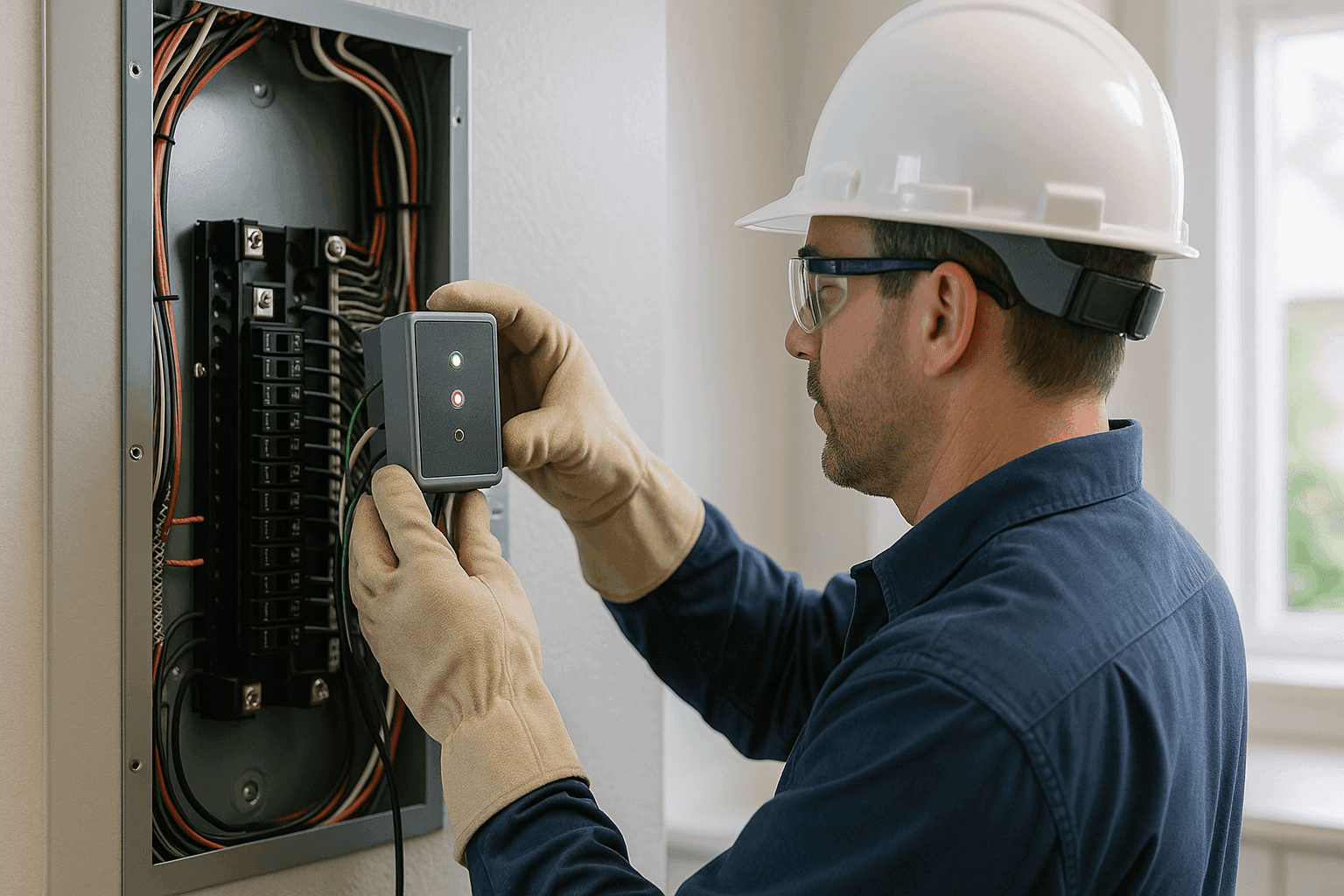
- Panel-Mounted Whole-Home Surge Protectors: These are the castle walls. Installed by a licensed emergency electrician at your main electrical panel, they defend all your circuits—appliances, HVAC, lighting, and more.
According to the National Electrical Code (NEC 2020, Article 230.67), many new homes are now required to have surge protection at the service entrance. The trend is clear: safeguarding everything, not just a few plugs.
Installation and Maintenance 🛠️
Setting up whole-home surge protection isn’t a DIY job. Here’s what you can expect from a professional 24 Hour Service near you:
- Assessment: An electrician reviews your panel, wiring, and surge risk factors.
- Device Selection: Not every home is the same. The right surge protector depends on your panel size, typical loads, and local risks (think storm-prone areas).
- Installation: The device is wired directly to your main panel—fast, secure, and code-compliant.
- Testing: After installation, everything is checked and tested. You get peace of mind that it’s working right.
Tip: Schedule a quick surge protector check-up during your annual electrical safety inspection. It’s a small step that can prevent big headaches.
Long-Term Benefits
Why invest in whole-home surge protection? Here’s what homeowners gain:
- Protect Expensive Electronics: Modern TVs, computers, smart appliances—one surge can fry them beyond repair.
- Guard Your Investment: Think about your HVAC, fridge, and laundry appliances. Replacing them isn’t cheap.
- Reduce Fire Risk: Faulty surges can spark fires inside walls. That’s a danger no one should ignore.
- Lower Repair Costs: A single surge protector can save you thousands in repairs and replacements over its lifetime.
- Peace of Mind: Know that storms, grid changes, or a neighbor’s power-hungry equipment won’t leave you in the dark.
The rise of home automation, security systems, and EV chargers makes whole-home protection more important than ever. As homes become “smarter,” they also become more sensitive.
Practical Safety Tips
- Unplug high-value devices during storms if possible.
- Avoid overloading circuits with too many plug-in strips.
- Ask your electrician to check for proper grounding and bonding—the foundation for all surge protection.
- Replace panel-mounted surge protectors every 5–10 years, or after a major surge event (per manufacturer guidelines).
Surge Protection: Plug-In Strips Aren’t Enough
Plug-in strips are handy, but they’re like a raincoat in a hurricane—helpful for small stuff, but no match for a real flood. Only panel-mounted systems protect your whole house, including built-in appliances, HVAC, and wired systems you can’t just unplug.
Installation and Maintenance Considerations
- Licensed electricians only: Surge protection must meet UL 1449 safety standards and comply with the National Electrical Code.
- Routine checks: Many panel-mounted devices have indicator lights—if yours goes out, call for service.
- Layered protection: In surge-prone areas, consider both whole-home and plug-in strips for sensitive electronics.
Long-Term Benefits for Your Home and Family 🔒
- Insurance: Some homeowners’ policies may reduce premiums for surge protection upgrades. Check with your provider.
- Resale value: Buyers appreciate modern, safe electrical systems—especially in tech-heavy homes.
- Environmental impact: Fewer ruined devices means less electronic waste.
Frequently Asked Questions
Q: Do I still need plug-in surge strips if I have whole-home protection?
A: For extra-sensitive gear (like computers), it’s smart to use both. Layered defense catches what the main system might miss.
Q: How long does installation take?
A: Most panel-mounted devices are installed in under two hours by a qualified emergency electrician.
Q: Are surge protectors maintenance-free?
A: Not quite. Check indicator lights monthly, and ask for a professional check every couple of years.
Q: Will surge protection save my home from a direct lightning strike?
A: No system is foolproof, but whole-home surge protection greatly reduces risk from most surges. Direct strikes can overwhelm even the best defenses, but layered protection helps.
Local and Seasonal Considerations
- Storm season: If you live in an area with frequent thunderstorms, surge protection is a must.
- Older homes: Older wiring increases surge risk; upgrading your panel and adding surge devices is a wise move.
- Growing neighborhoods: New construction and power grid changes can increase the frequency of surges, even if you’ve never had issues before.
When to Call an Emergency Electrician
- During or after a major storm: If lights flicker, circuits trip, or you notice burning smells, call for 24 Hour Service near you.
- After a surge event: If appliances stop working or your surge protector’s indicator goes dark, don’t wait.
- Before adding big new loads: Planning a new EV charger, hot tub, or home theater? Upgrade your surge protection first.
The Bottom Line
Whole-home surge protection is like an umbrella on a stormy day—maybe you won’t need it, but when you do, you’ll be glad you have it. As our homes fill with sensitive, expensive devices, the need for reliable, code-compliant surge defense only grows.
Electronics are more vulnerable than ever. Don’t wait for the next storm or outage to think about protecting your home.
Call A&E Electrical now — or reach us anytime at 888-873-6160 .